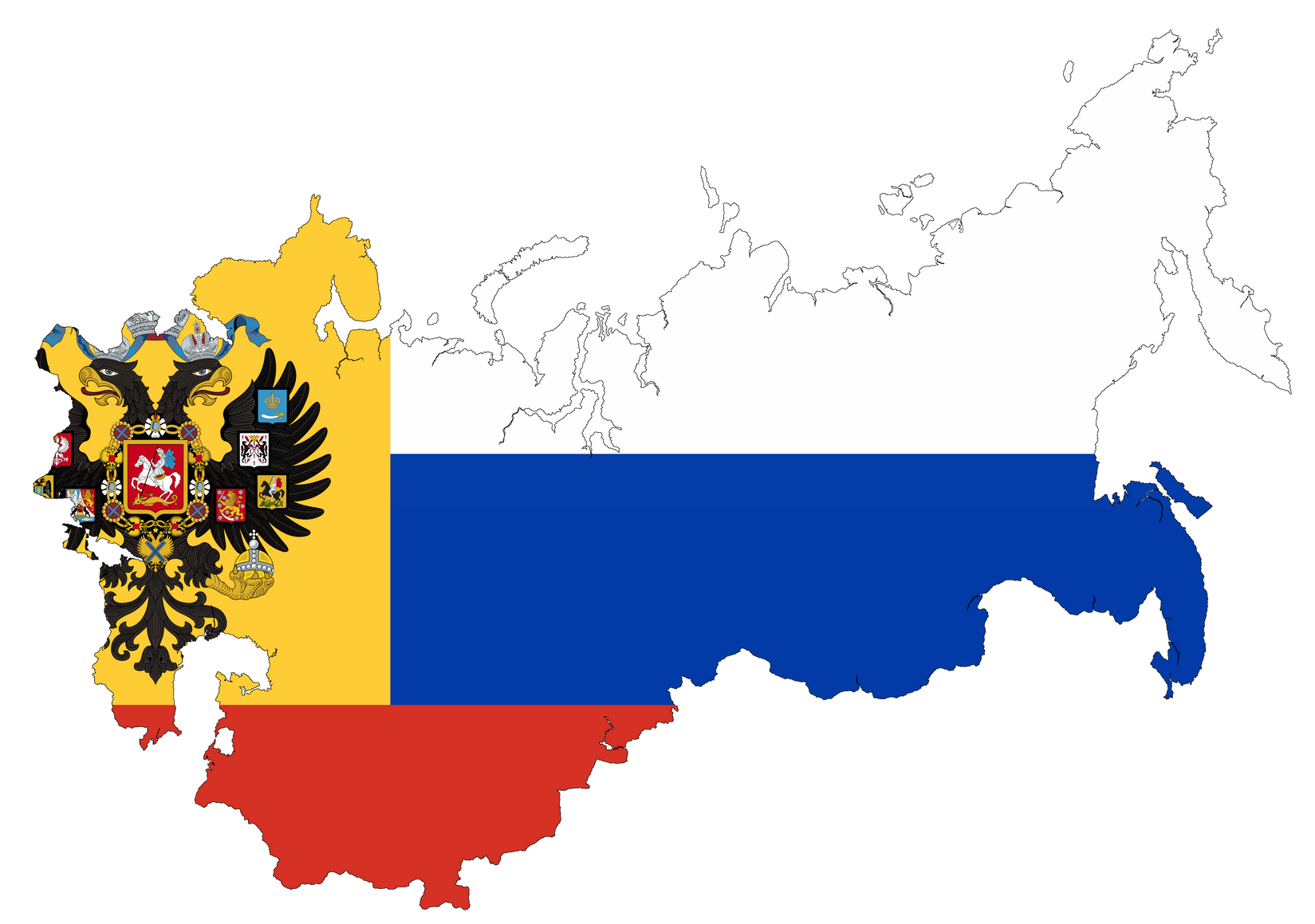
Russian
Spoken in Russia, Belarus, Kazakhstan, and much of the former Soviet Union
Want to decode Russian? Here's the reality: Russian uses the Cyrillic alphabet, which looks intimidating but is surprisingly learnable. It has 33 letters - just 7 more than English - and once you know them, Russian is fairly phonetic. By the end of this article, you'll be able to read any Russian text and pronounce it correctly. Russia has a strong programming community, cybersecurity expertise, and tech talent. Understanding Russian opens doors to a massive developer ecosystem. Let me show you why Cyrillic is easier than it looks.
The Secret: Cyrillic Is Mostly Phonetic
Unlike English where "ough" has seven pronunciations, Russian spelling largely matches pronunciation. Learn the 33 letters, understand a few pronunciation rules, and you're reading Russian. Some letters look like English but sound different (watch out for those!), some are completely new, but all follow consistent patterns.
Russian has 33 letters: 10 vowels, 21 consonants, and 2 special signs. Master these, and Russian text becomes readable.
Your Journey: Letters, Sounds, and Systematic Rules
We'll cover the alphabet (grouped by similarity to English), vowels (including soft/hard pairs), consonants (including palatalization), and pronunciation rules. By the end, you'll understand why Russian sounds distinctly Russian.
Part 1: The Cyrillic Alphabet - Same as English
Let's start easy. These letters look AND sound like English:
| Cyrillic | Sound | English Equivalent | Example |
|---|---|---|---|
| А а | ah | Like 'a' in "father" | мама (mama) = mom |
| Е е | yeh | Like 'ye' in "yes" | нет (nyet) = no |
| К к | k | Like 'k' in "kite" | как (kak) = how |
| М м | m | Like 'm' in "mom" | мы (my) = we |
| О о | oh | Like 'o' in "more" | он (on) = he |
| Т т | t | Like 't' in "top" | тот (tot) = that |
Easy, right? These six are your friends.
Part 2: Looks Like English, But Different Sound
Watch out for these false friends!
| Cyrillic | Sound | Looks Like | Actually Sounds Like | Example |
|---|---|---|---|---|
| В в | v | English V | Correct! Like 'v' | вода (voda) = water |
| Н н | n | English H | Like 'n' in "no"! | нос (nos) = nose |
| Р р | r | English P | Rolled 'r'! | рука (ruka) = hand |
| С с | s | English C | Like 's' in "sun"! | сок (sok) = juice |
| У у | oo | English Y | Like 'oo' in "food"! | ум (oom) = mind |
| Х х | kh | English X | Like 'ch' in "loch"! | хорошо (khorosho) = good |
Critical: РЕСТОРАН looks like "PECTOPAH" but sounds like "restoran" (restaurant)!
Part 3: Completely New Letters
These don't look like anything in English:
| Cyrillic | Sound | Description | Example |
|---|---|---|---|
| Б б | b | Like 'b' in "boy" | банк (bank) = bank |
| Г г | g | Like 'g' in "go" | год (god) = year |
| Д д | d | Like 'd' in "day" | да (da) = yes |
| Ё ё | yo | Like 'yo' in "yonder" | ёлка (yolka) = Christmas tree |
| Ж ж | zh | Like 's' in "measure" | жена (zhena) = wife |
| З з | z | Like 'z' in "zoo" | зима (zima) = winter |
| И и | ee | Like 'ee' in "see" | или (ili) = or |
| Й й | y | Like 'y' in "boy" (short) | мой (moy) = my |
| Л л | l | Like 'l' in "love" | луна (luna) = moon |
| П п | p | Like 'p' in "pot" | папа (papa) = dad |
| Ф ф | f | Like 'f' in "fun" | факт (fakt) = fact |
| Ц ц | ts | Like 'ts' in "cats" | цена (tsena) = price |
| Ч ч | ch | Like 'ch' in "church" | час (chas) = hour |
| Ш ш | sh | Like 'sh' in "ship" | школа (shkola) = school |
| Щ щ | shch | Like 'sh' + 'ch' together | щи (shchi) = cabbage soup |
| Ы ы | ih | Like 'i' in "ill" (hard) | мы (my) = we |
| Э э | eh | Like 'e' in "bed" | это (eto) = this |
| Ю ю | yu | Like 'u' in "use" | юг (yug) = south |
| Я я | ya | Like 'ya' in "yard" | я (ya) = I |
Part 4: The Two Special Signs
Ъ and Ь - Not pronounced on their own!
| Sign | Name | Function | Example |
|---|---|---|---|
| Ъ ъ | Hard sign | Separates sounds (rare) | объект (obyekt) = object |
| Ь ь | Soft sign | Softens preceding consonant | день (den') = day |
The soft sign (ь) is crucial! It makes consonants "soft" (palatalized):
- мат (mat) = checkmate
- мать (mat') = mother
Totally different words!
Part 5: Vowel Pairs (Hard vs Soft)
Russian vowels come in hard/soft pairs that affect preceding consonants:
| Hard | Soft | Hard Sound | Soft Sound |
|---|---|---|---|
| А (a) | Я (ya) | ah | yah |
| О (o) | Ё (yo) | oh | yoh |
| У (u) | Ю (yu) | oo | yoo |
| Ы (y) | И (i) | ih | ee |
| Э (e) | Е (ye) | eh | yeh |
Key Rule: Soft vowels (Я, Ё, Ю, И, Е) soften the consonant before them.
Example:
- та (ta) = hard 't'
- тя (tya) = soft 't' (almost like "tya")
Part 6: Stress Rules (Critical!)
Russian stress is unpredictable but crucial. Stress changes vowel pronunciation:
О becomes 'ah' when unstressed:
- хорошо (khorosho) = stressed О = "oh"; unstressed О = "ah"
- Sounds like: khah-rah-SHOH
Е/Я become 'ih' when unstressed:
- пять (pyat') = five - stressed
- пятно (pyatno) = spot - first syllable becomes "pih"
Only stressed syllables are fully pronounced. This is why Russian sounds "clipped" to English ears.
Part 7: Consonant Rules
Voiced vs Voiceless:
Russian consonants change at word endings and before other consonants:
Voiced consonants become voiceless at word end:
- Б В Г Д Ж З → П Ф К Т Ш С
- хлеб (bread) - written 'b', pronounced 'p': khlep
Consonant Pairs:
| Voiced | Voiceless |
|---|---|
| Б (b) | П (p) |
| В (v) | Ф (f) |
| Г (g) | К (k) |
| Д (d) | Т (t) |
| Ж (zh) | Ш (sh) |
| З (z) | С (s) |
Palatalization:
Soft sign (ь) or soft vowels make consonants "soft":
- л (hard l) vs ль (soft l - almost "ly")
- н (hard n) vs нь (soft n - almost "ny")
Part 8: Your First Russian Words
Basic Greetings:
- Привет (privet) = Hi (informal)
- Здравствуйте (zdravstvuyte) = Hello (formal)
- Пока (poka) = Bye (informal)
- До свидания (do svidaniya) = Goodbye (formal)
- Спасибо (spasibo) = Thank you
- Пожалуйста (pozhaluysta) = Please / You're welcome
- Да (da) = Yes
- Нет (nyet) = No
- Извините (izvinite) = Excuse me / Sorry
Common Words:
- вода (voda) = water
- хлеб (khleb) = bread
- дом (dom) = house/home
- друг (drug) = friend
- работа (rabota) = work
- время (vremya) = time
- люди (lyudi) = people
- день (den') = day
- ночь (noch') = night
- город (gorod) = city
Tech Words:
- компьютер (kompyuter) = computer
- телефон (telefon) = telephone
- интернет (internet) = internet
- программа (programma) = program
- софт (soft) = software (colloquial)
- код (kod) = code
- сайт (sayt) = website
- емейл (emeyl) = email
Numbers 1-10:
- один (odin) = one
- два (dva) = two
- три (tri) = three
- четыре (chetyre) = four
- пять (pyat') = five
- шесть (shest') = six
- семь (sem') = seven
- восемь (vosem') = eight
- девять (devyat') = nine
- десять (desyat') = ten
Useful Phrases:
- Меня зовут ___ (menya zovut ) = My name is
- Как дела? (kak dela?) = How are you?
- Хорошо (khorosho) = Good/well
- Я не понимаю (ya ne ponimayu) = I don't understand
- Что это? (chto eto?) = What is this?
Part 9: Reading Practice
Я программист.
- Я (ya) = I
- программист (programist) = programmer
Translation: I am a programmer.
Это хороший софт.
- Это (eto) = this
- хороший (khoroshiy) = good
- софт (soft) = software
Translation: This is good software.
Москва - большой город.
- Москва (Moskva) = Moscow
- большой (bol'shoy) = big
- город (gorod) = city
Translation: Moscow is a big city.
Part 10: Famous Russian Tech Words
Яндекс (Yandeks) = Yandex (search engine) Касперский (Kasperskiy) = Kaspersky (cybersecurity) Telegram (Telegram) = Telegram (messaging app) VK (ВКонтакте - VKontakte) = Russian social network
Part 11: Common Pronunciation Mistakes
Don't Do This:
| Word | Wrong | Right | Why |
|---|---|---|---|
| Р | Like English 'p' | Rolled 'r' | It's an R, not P! |
| Н | Like English 'h' | Like 'n' | It's an N, not H! |
| В | Like English 'b' | Like 'v' | Looks like B, sounds like V |
| хорошо | ho-RO-sho | khah-rah-SHOH | Unstressed О = ah |
| здравствуйте | All syllables equal | ZDRAHST-vuy-tye | Stress first syllable, clip the rest |
Part 12: Cursive Cyrillic (Bonus)
Russians write in cursive, and it looks VERY different from print:
| Cursive | Note | |
|---|---|---|
| т | looks like 'm' | Confusing! |
| д | looks like 'g' | Different |
| и | looks like 'u' | Completely different |
Don't worry about cursive for now - focus on print first. You'll encounter cursive later.
Your Path Forward: From Cyrillic to Fluency
You made it! You can now read Cyrillic. Russian signs, websites, code comments - all readable.
Here's how to cement your new skill:
1. Practice the "false friends"
- Р = R, not P
- Н = N, not H
- С = S, not C
- В = V, not B These trip up everyone at first!
2. Master stress patterns
- Stress determines vowel pronunciation
- Unstressed О = ah
- Unstressed Е/Я = ih
- Use dictionaries that mark stress
3. Learn palatalization
- Soft consonants sound different
- Listen to native speakers
- Practice with minimal pairs: мат vs мать
4. Immerse in Russian media
- Russian films with Russian subtitles
- Russian tech channels on YouTube
- Russian news: RT, TASS
- Russian programming tutorials (lots on Habr.com)
5. Remember these key points:
- 33 letters total
- Watch out for false friends (Р, Н, С, В, Х, У)
- Stress changes vowel sounds
- Soft sign (ь) softens consonants
- Voiced consonants → voiceless at word end
- Cyrillic is mostly phonetic
6. Next steps Now that you can read Cyrillic:
- Learn basic Russian vocabulary
- Study Russian cases (6 of them!)
- Practice with Russian developers on GitHub
- Read Russian tech documentation
- Join Russian programming communities
One Final Challenge
Before you go, read this:
Привет! Я изучаю русский язык.
Privet! Ya izuchayu russkiy yazyk.
Translation: Hi! I am studying the Russian language.
Программирование - это интересно!
Programmirovanie - eto interesno!
Translation: Programming is interesting!
You can now read Russian! The language of 260+ million people is yours.
Молодец! (Molodets!) - Well done!
P.S. - Learning Cyrillic also unlocks Ukrainian, Belarusian, Bulgarian, Serbian, and many other languages. Plus, Russian has minimal grammar in casual speech - cases exist but are often simplified in conversation. The hard part (Cyrillic) is done. Now it's just vocabulary and practice!
Enjoyed this article? Share it with someone who'd love it too.