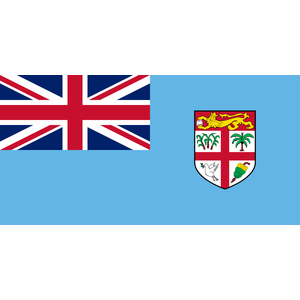
Fijian for Missionaries
Spoken in Fiji
So you've been called to speak Fijian. Congratulations, Elder or Sister — you're headed to (or serving people from) a paradise of turquoise water, palm-fringed islands, and some of the warmest, most openhearted people on earth. Here's the wonderfully encouraging truth: Fijian is one of the friendliest languages a missionary can learn. It's written in the same alphabet you're reading now, its vowels are pure and simple (just five, like Spanish), and there are no verb tenses to memorize the way English has them. Best of all, you're entering a deeply Christian, church-loving culture where testimony is welcome. This article won't make you fluent — only immersion and the Spirit will do that — but it will give you a real head start and show you exactly where to aim before and during the MTC. Let me hand you the keys.
The Secret: The Letters Aren't What They Look Like
Fijian is an Austronesian language — a cousin of Samoan, Tongan, Māori, and the languages of the Pacific. The single most important thing to learn first is that several Fijian letters are pronounced very differently from English. Early missionaries designed the spelling so that one letter = one sound, which is wonderfully consistent — but you have to relearn a handful of them:
| Letter | Sounds like | Example |
|---|---|---|
| b | "mb" | bula = "MBOO-lah" |
| d | "nd" | Nadi = "NAHN-dee" |
| g | "ng" (as in "singer") | sniga → "ng" |
| q | "ngg" (as in "finger") | yaqona = "yang-GO-nah" |
| c | "th" (as in "this") | cava = "THAH-vah" |
| v | a soft "v," almost "b" | vinaka = "vee-NAH-kah" |
Master those six and you can read Fijian aloud correctly. Set expectations honestly: the tricky part isn't the alphabet — it's rewiring your instincts so b, d, c, g, q stop sounding English. The romanizations below are a scaffold to get you speaking; your ear, native speakers, and the MTC will do the real tuning. Aim for brave, not perfect.
Your Mission Field
Fijian culture is built on community, respect, generosity, and faith. Fiji is one of the most devoutly Christian nations on earth — nearly everyone prays, attends church, and honors the Sabbath — so you're teaching people who already love God. Life centers on the vanua (land, people, and belonging together), family, and the village. Fijians are extraordinarily hospitable: they will share their last food with a guest. Respect for chiefs and elders runs deep, and relationships come before schedules ("Fiji time" is real and relaxed). These values of faith, family, and generosity map beautifully onto the gospel you'll teach. Warmth, humility, and genuine respect open Fijian hearts.
Part 1: The Alphabet and Sounds
Fijian uses the Latin alphabet, but as you saw above, six consonants carry non-English sounds. Here's the full set to keep straight:
| Letter | Sound |
|---|---|
| b | "mb" (a soft m glides into b) |
| d | "nd" |
| g | "ng" as in "singer" |
| q | "ngg" as in "finger" |
| c | "th" as in "this" (voiced) |
| v | soft "v," close to "b" |
| j | a soft "ch" |
| everything else (k, l, m, n, p, r, s, t, w, y) | roughly as in English |
The r is lightly rolled. Every letter is pronounced — no silent letters ever.
Part 2: The Vowels
Here's the easy part. Fijian has just five pure vowels, exactly like Spanish or Italian — clean, never gliding. Each can be short or long (length can change meaning):
| Letter | Sound | English Comparison | Example |
|---|---|---|---|
| A | ah | 'a' in "father" | cava = THAH-vah (what) |
| E | eh | 'e' in "bed" | sega = SENG-ah (no) |
| I | ee | 'ee' in "see" | tini = TEE-nee (ten) |
| O | oh | 'o' in "note" | bogi = MBONG-ee (night) |
| U | oo | 'oo' in "food" | bula = MBOO-lah (life/hello) |
Because the vowels are so regular, once you've mastered the six tricky consonants, you can pronounce almost any written Fijian word on sight. Stress usually falls on the second-to-last syllable.
Part 3: Greetings Matter
Fijians greet warmly and often. Learn a few and use them with a big, sincere smile:
| Fijian | Phonetic | Meaning |
|---|---|---|
| Bula! | MBOO-lah | Hello! (literally "life") — the all-purpose greeting |
| Bula vinaka | MBOO-lah vee-NAH-kah | Hello (fuller, warmer) |
| Ni sa bula | nee sah MBOO-lah | Hello (more formal/respectful) |
| Ni sa yadra | nee sah YAHN-drah | Good morning |
| Vinaka / Vinaka vakalevu | vee-NAH-kah / vee-NAH-kah vah-kah-LEH-voo | Thank you / Thank you very much |
| Io / Sega | EE-oh / SENG-ah | Yes / No |
| Tulou | TOO-loh-oo | Excuse me (esp. when passing by/near someone) |
| Kerekere | KEH-reh-KEH-reh | Please |
| Ni sa moce | nee sah MOH-theh | Goodbye / Goodnight |
Note moce is pronounced "MOH-theh" (remember: c = "th"). Fijians love a warm greeting — never rush past someone without a Bula!
Part 4: Numbers
| # | Fijian | Phonetic | # | Fijian | Phonetic |
|---|---|---|---|---|---|
| 1 | dua | NDOO-ah | 6 | ono | OH-noh |
| 2 | rua | ROO-ah | 7 | vitu | VEE-too |
| 3 | tolu | TOH-loo | 8 | walu | WAH-loo |
| 4 | va | vah | 9 | ciwa | THEE-wah |
| 5 | lima | LEE-mah | 10 | tini | TEE-nee |
(Remember: ciwa starts with the "th" sound.)
Part 5: The Language of the Gospel
This is where your calling comes alive. Start loving these now. Confirm exact spellings against the official Fijian Preach My Gospel, scriptures, and your MTC materials — this is your head start, not the final authority:
| Fijian | Phonetic | Meaning |
|---|---|---|
| Kalou | KAH-loh-oo | God |
| Tamada Vakalomalagi | tah-MAHN-dah vah-kah-loh-mah-LAHNG-ee | Heavenly Father |
| Jisu Karisito | JEE-soo kah-ree-SEE-toh | Jesus Christ |
| Yalo Tabu | YAH-loh TAH-mboo | Holy Ghost |
| kosipeli | koh-see-PEH-lee | gospel |
| masu | MAH-soo | prayer / to pray |
| vakabauta | vah-kah-mbah-OO-tah | faith |
| veivutuni | veh-ee-voo-TOO-nee | repentance |
| papitaiso | pah-pee-TIGH-soh | baptism |
| Ai Vola i Momani | eye VOH-lah ee moh-MAH-nee | Book of Mormon |
| ivakadinadina | ee-vah-kah-nDEE-nah-nDEE-nah | testimony |
| vuvale | voo-VAH-leh | family |
| loloma | loh-LOH-mah | love |
Two anchor phrases to memorize now (confirm with your materials):
- Au sa italatala — "I am a missionary." (ow sah ee-tah-lah-TAH-lah)
- Au kila ni sa dina oqo — "I know this is true." (ow KEE-lah nee sah NDEE-nah ONG-goh)
Part 6: Grammar Basics
1. There are no verb tenses to conjugate. Instead of changing the verb, Fijian adds small time markers around it — sa (already/now), na (will/future), and so on. The verb itself doesn't change form. This is a huge relief compared to English.
2. Word order is Verb–Object–Subject (or Verb first). Fijian often puts the verb at the front: literally "Loves God you" for "God loves you." It feels backwards at first, then clicks.
3. Pronouns are wonderfully precise — and count people. Fijian distinguishes "we (you and I)" from "we (they and I)," and has special forms for two people, three, and many. It's more detailed than English but very logical.
4. Little words carry big meaning. Particles like sa, na, e, o, and ko mark tense, subjects, and names. Learn these small words well and whole sentences open up.
Part 7: Common Mistakes to Avoid
| Wrong | Right | Why |
|---|---|---|
| Reading b, d, c, g, q as English | "mb, nd, th, ng, ngg" | it's the #1 pronunciation fix |
| Saying "MOH-see" for moce | "MOH-theh" | c = "th" |
| Trying to conjugate verbs for tense | use time markers (sa, na) | verbs don't change form |
| Gliding the vowels | keep them pure (5 clean sounds) | Fijian vowels are like Spanish |
| Rushing past people silently | always offer a warm Bula! | greetings are sacred courtesy |
| Guessing gospel spellings | use official materials | precision honors the message |
Part 8: Honoring the Culture
Fijian courtesy is warm, communal, and specific — and getting it right earns instant respect:
- Dress modestly, always. Cover shoulders and knees, especially in villages and church. When visiting a village, men and women often wear a sulu (a wraparound skirt worn by both). Modesty is a sign of respect.
- Mind your head and your height. The head is considered sacred — don't touch anyone's head, and don't wear hats in villages or homes. When passing someone seated, lower your body slightly and say "Tulou."
- Remove your shoes before entering a home. Sit on the floor mat when invited, and don't point your feet at people.
- Honor the elders and the chief. Respect for age and authority is central; a humble, deferential manner opens doors.
- The yaqona (kava) ceremony (sevusevu). Presenting and sharing yaqona is the heart of Fijian welcome and relationship. Follow your mission's guidelines carefully — missionaries are counseled about kava — but always honor the spirit of hospitality graciously and warmly, never with a cold refusal. A humble, respectful manner matters more than any single custom.
- Receive hospitality humbly. Fijians will share everything they have. Accept their generosity with genuine gratitude and never waste food.
Approach Fijians with warmth, humility, and deep respect, and their generous, faith-filled hearts open wide.
Immerse Yourself: The Fastest Path to Fluency
Here's the single most important paragraph in this article. The missionaries who become fluent are the ones who dive in completely and never come up for air. Your mission lives by SYL — "Speak Your Language." Live it fiercely:
- Commit to SYL from day one at the MTC. Speak Fijian even when it's slow and humbling. Every English sentence you let yourself off with is growth you gave away.
- Love the people, and the language follows. You're learning to love and serve real Fijian families — let that make you brave about mistakes. Your sincere effort earns their respect.
- Live in your ears. Fijian rhythm and the tricky consonants are learned by listening and copying — mimic native speakers exactly, especially b, d, c, g, q.
- Feed on the language: pray in Fijian, study Preach My Gospel in Fijian, sing the Fijian hymns (Fijians are extraordinary singers — join in!), and keep a notebook of new words.
- Trust the gift of tongues. Study hard, work hard, and expect the Lord to magnify what you offer Him. Generations of missionaries testify He does.
Try your first full phrase today:
Bula! Au sa italatala. Vinaka vakalevu! (MBOO-lah! ow sah ee-tah-lah-TAH-lah. vee-NAH-kah vah-kah-LEH-voo) "Hello! I am a missionary. Thank you very much!"
One Final Challenge
Read your testimony aloud (confirm the exact wording with your materials):
Au kila ni sa lomani iko na Kalou. Ko Jisu Karisito na noda iVakabula.
Break it down:
- Au kila ni = I know that
- sa lomani iko na Kalou = God loves you
- Ko Jisu Karisito = Jesus Christ
- na noda iVakabula = is our Savior
Translation: I know that God loves you. Jesus Christ is our Savior.
You've got the foundation, Elder/Sister. The six tricky consonants, the five clean vowels, and the tense-free verbs aren't obstacles anymore — they're the tools you'll use to bear testimony in the islands.
Vinaka vakalevu — and go give it everything you have.
P.S. — One beautiful truth that will preach for you: Fijians live by the vanua — a word that means the land, but also the people, the ancestors, and the deep sense of belonging together that ties them all as one. To a Fijian, you are never just an individual; you are held, known, and woven into a family and a place. That is the gospel's promise too — that we belong to a Heavenly Family, gathered as one, never alone. In a culture that already treasures belonging above almost everything, the language is quietly teaching the way home. Live it on purpose.
Enjoyed this article? Share it with someone who'd love it too.